
Think 100% Agave Means Additive-Free? Think Again.
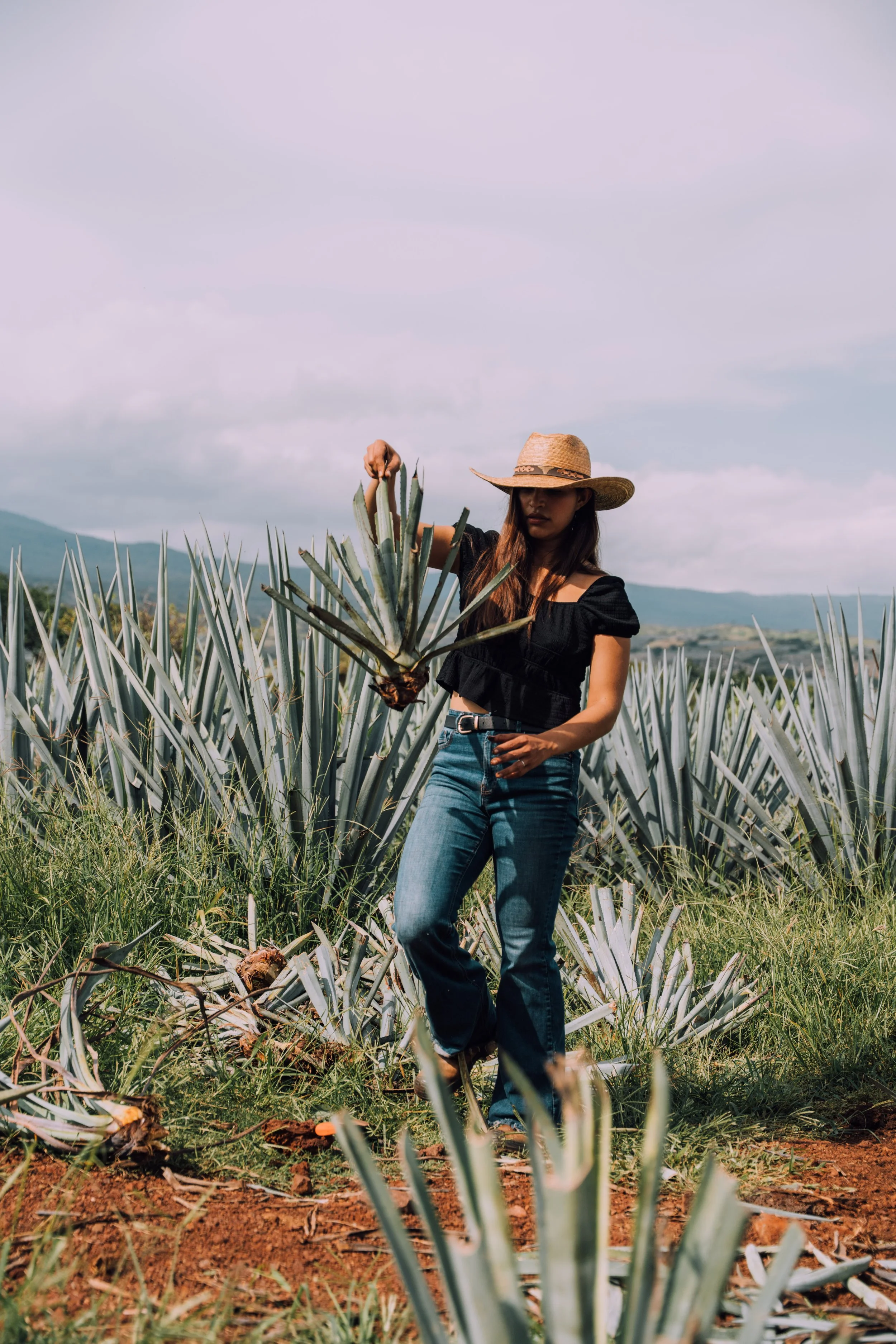
What Is Additive-Free Tequila?
If you've spent any time researching premium tequila, you've probably come across the phrase “additive-free tequila.” It sounds straightforward. But the term raises more questions than it initially answers. What exactly counts as an additive? Does 100% agave tequila mean the same thing? Can tequila legally contain additives? And can you actually tell what's in a bottle just by tasting it? The short answer is this: additive-free tequila generally refers to tequila made without certain permitted flavoring, coloring, or sweetening agents that Mexican tequila regulations allow producers to use.
But “additive-free” is not itself an official tequila category under Mexico's tequila standard. And 100% agave does not automatically mean additive-free. Understanding that distinction is the first step toward becoming a more informed tequila drinker. More importantly, once you understand what happens before tequila reaches the bottle—how agave is cooked, extracted, fermented, distilled, and aged—you can start to appreciate why different tequilas taste so different in the first place.
What Does “Additive-Free Tequila” Actually Mean?
“Additive-free” is primarily a consumer and industry term, rather than one of the official categories of tequila established by Mexican regulations.
Mexico's tequila standard, NOM-006-SCFI-2012, permits certain substances to be used to adjust or enhance characteristics such as color, aroma, and flavor.
The standard specifically describes a process called abocado, which involves adding certain permitted substances to soften or modify tequila's flavor.
These include:
Caramel coloring
Natural oak or encino extract
Glycerin
Sugar-based syrup
The standard limits these specified abocantes to no more than 1% by weight of the tequila before bottling. That doesn't mean every tequila uses them. It simply means their use is permitted within the regulatory framework. So when consumers talk about additive-free tequila, they're generally talking about tequila made without these types of permitted additions. That's an important distinction because the term isn't synonymous with “legal tequila,” “100% agave tequila,” or even necessarily “better tequila.” It's a statement about production philosophy and transparency.
What Additives Are Allowed in Tequila?
The conversation around additives often gets reduced to a list of four ingredients. But it's more useful to understand what they can do.
Caramel coloring
Caramel coloring can be used to influence the color of tequila. This matters because color can influence what we expect a spirit to taste like. A deeper color may lead a drinker to anticipate more oak, sweetness, or richness—even before taking a sip. But color alone cannot tell you whether caramel coloring was used. Aged tequila naturally develops color through interaction with oak, and different barrels and aging conditions can produce different shades.
Glycerin
Glycerin is associated with changes in perceived body and mouthfeel. A tequila with a fuller or more viscous texture isn't automatically evidence that glycerin has been added. Fermentation, distillation, aging, and other production variables can all influence how a tequila feels on the palate.That's why sensory impressions should be treated as clues rather than proof.
Natural oak or encino extract
Oak or encino extract can be used to influence flavor characteristics associated with wood. Again, this is particularly relevant when discussing aged tequila, because maturation in oak naturally changes tequila's color, aroma, flavor, and texture. An oak-forward flavor profile therefore doesn't prove that an extract has been used.
Sugar-based syrup
Sugar-based syrup can affect perceived sweetness and the overall flavor profile of a tequila. This is one reason unusually sweet tequila sometimes generates questions among enthusiasts. But sweetness by itself isn't proof of an additive. Agave contains sugars, and production and maturation can create a wide range of naturally occurring flavor impressions. The important point is that taste can raise a question; it doesn't necessarily provide the answer.
Additive-Free vs. 100% Agave Tequila
This is probably the most important distinction to understand.
100% agave and additive-free describe two different things.
Under Mexican tequila regulations, tequila can be produced using different sources of fermentable sugars. A tequila labeled 100% agave uses agave-derived sugars for fermentation.
That designation tells you something important about the raw material used to produce the spirit.
It does not, by itself, tell you whether permitted additives were used later in the production process.
In other words:
Term What it tells you 100% agave The fermentable sugars come from agaveAdditive-freeThe tequila was made without the permitted additives being discussed hereBlancoA tequila category relating to its production and maturationReposadoTequila that has been aged within the regulatory requirements for reposadoAñejoTequila aged within the regulatory requirements for añejo
These terms aren't interchangeable.
A tequila can be 100% agave without necessarily being additive-free.
And an additive-free tequila can be blanco, reposado, añejo, or another recognized tequila category.
This is why simply looking for “100% agave” on the front of a bottle doesn't answer every question a curious tequila drinker may have.
Why Do Producers Use Additives?
This is where the conversation can become unnecessarily polarized.
Additives permitted by the tequila standard aren't evidence that a tequila is fake or illegal.
Their use is permitted within defined parameters.
A producer may have different reasons for adjusting a tequila's presentation, including influencing:
Color
Sweetness
Mouthfeel
Flavor
Consistency
Whether you personally prefer tequila made with or without these additions is a different question. Some drinkers actively seek out additive-free tequila because they want to experience the spirit with as little post-distillation modification as possible. Others may simply prefer the flavor profile of a particular tequila without worrying about whether it contains permitted additives. There's no need to turn that preference into a universal rule about what constitutes “good” tequila.
Additive-free is best understood as a production and transparency preference, not a universal quality ranking.
Can Additives Change How Tequila Tastes?

They can influence the way a spirit presents itself.
Depending on what is used, changes may be perceived in areas such as:
Sweetness
Texture
Color
Aroma
Perceived richness
Overall flavor balance
But here's an important caveat:
You cannot reliably identify a specific additive simply because a tequila tastes sweet, smooth, dark, or oily.
Those characteristics can come from many parts of the production process.
Agave variety and maturity matter. So does cooking.
Extraction matters.
Fermentation matters.
The still matters.
Cut points matter.
Barrel type and maturation matter.
Even the way a tequila is diluted and bottled can affect how you experience it.
That's why learning how tequila is produced is much more useful than memorizing a list of supposed “additive tells.”
How Is Tequila Traditionally Produced?
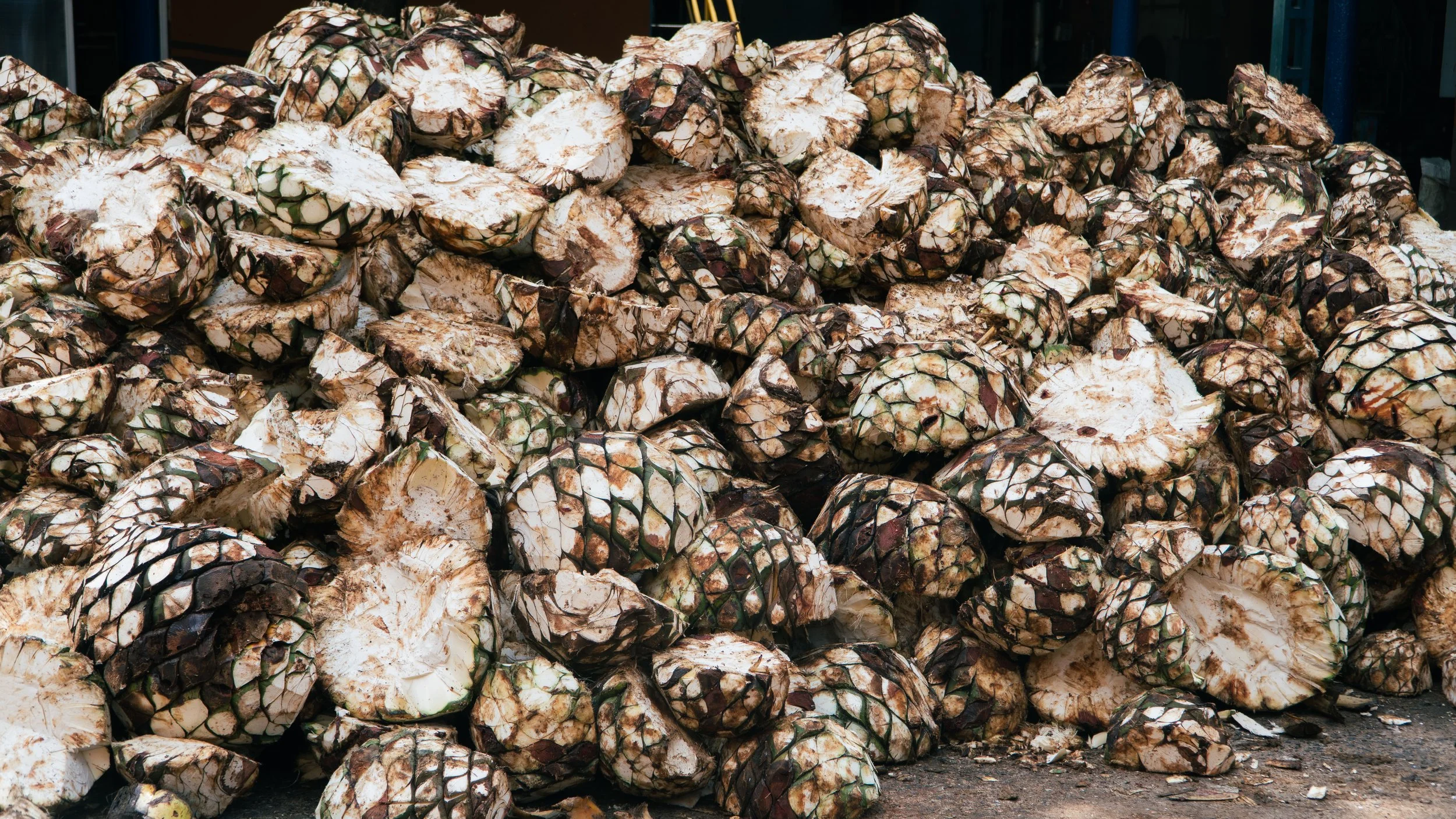
If you really want to understand tequila, start before the bottle. Tequila begins with blue Weber agave, but the finished spirit reflects far more than the plant itself.
The basic production journey looks something like this:
Agave → cooking → extraction → fermentation → distillation → maturation → bottling
At each stage, producers can make different choices.
Cooking the agave
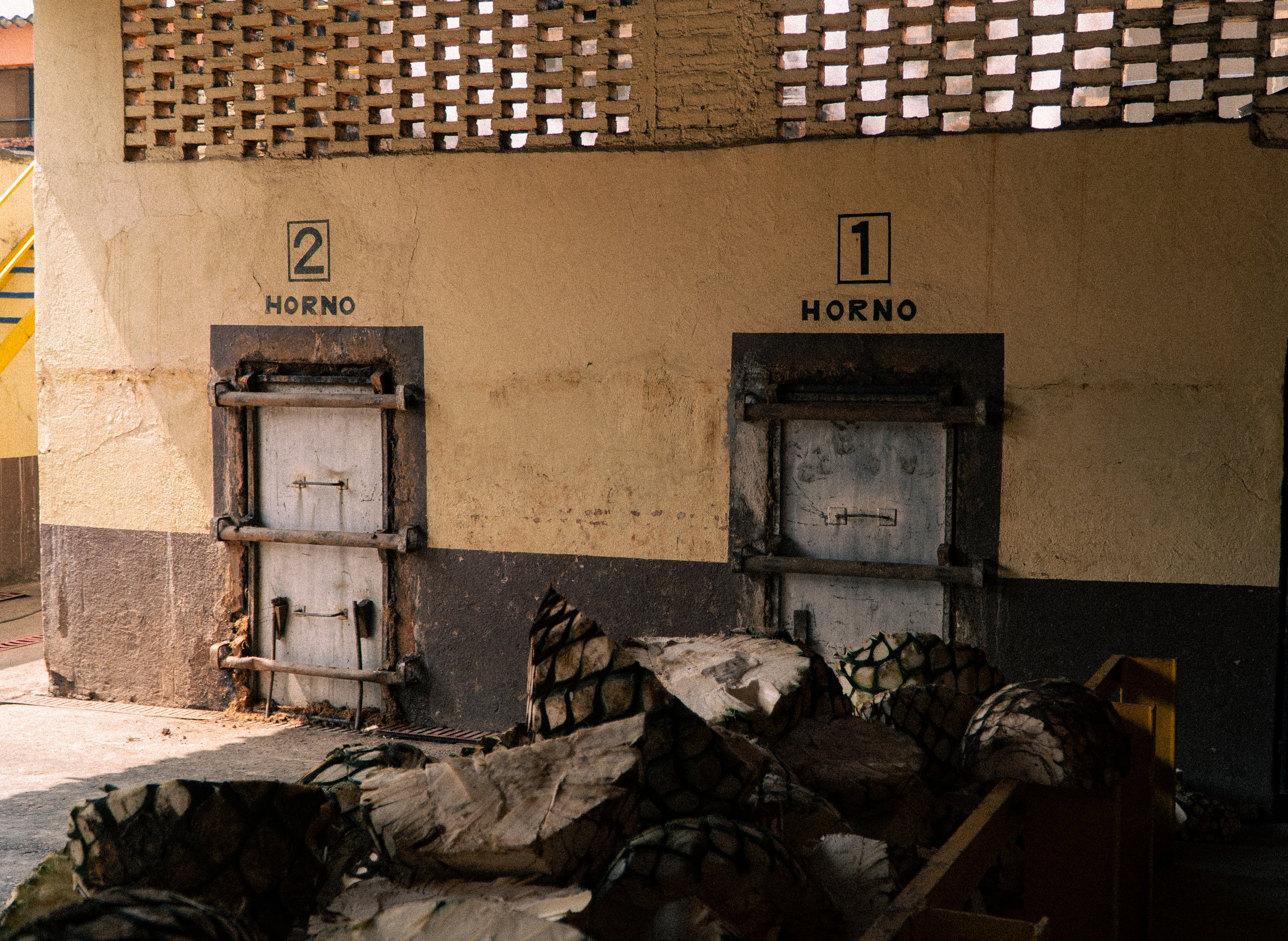
Agave can be cooked using different technologies and methods, traditional brick ovens, for example, can produce a different style of cooked agave than more modern industrial equipment, cooking transforms the agave and makes its carbohydrates available for fermentation.
Extracting the juice
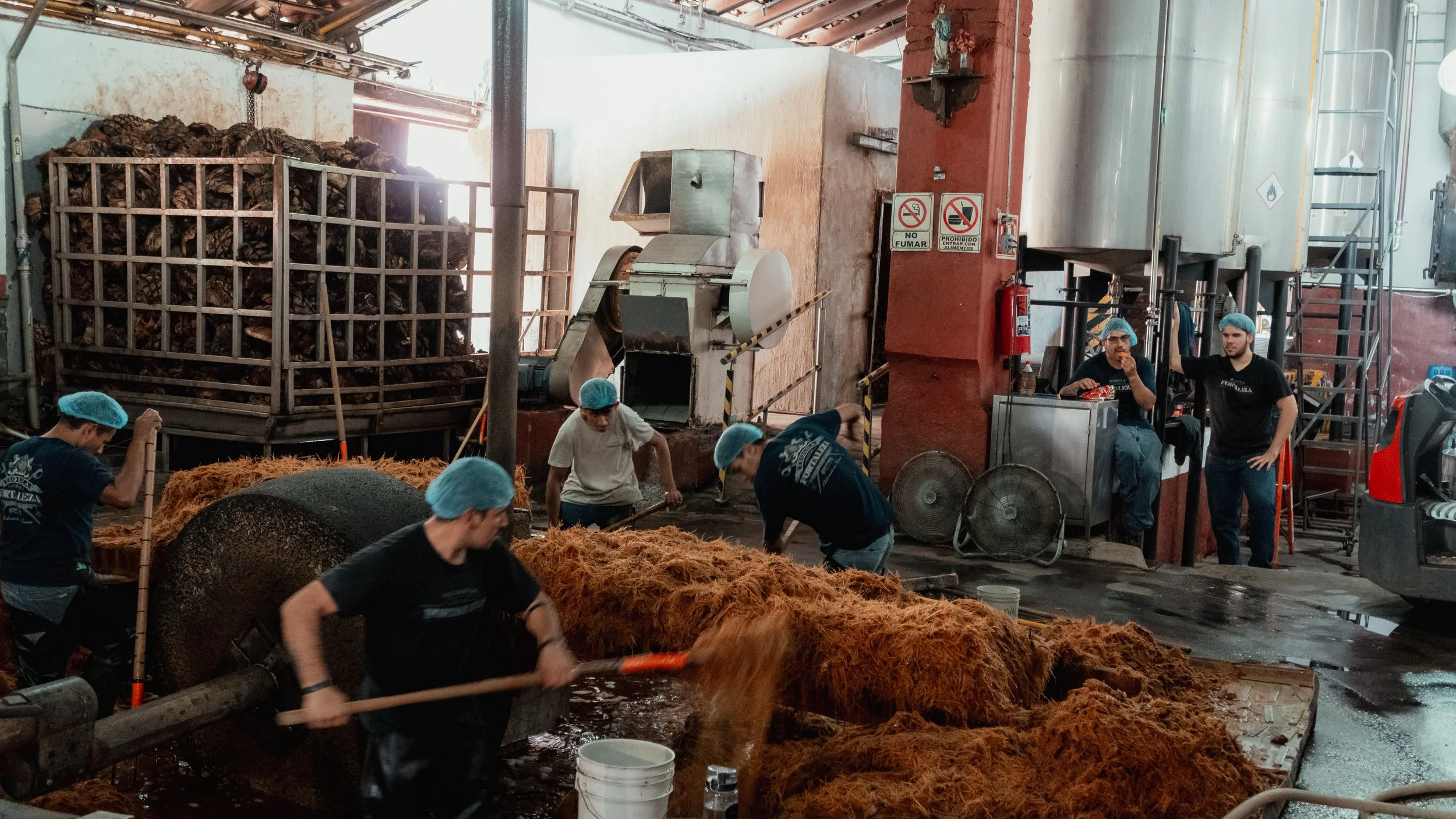
Once cooked, the agave must be broken down so its sugars can be extracted, some producers use mechanical mills, while others use methods such as a tahona (A tahona is a large stone wheel used to crush cooked agave). The important point isn't that one method is automatically “better.” it's that different methods can produce different results, and understanding those choices helps explain why two tequilas made from the same species of agave can taste dramatically different.
Fermentation
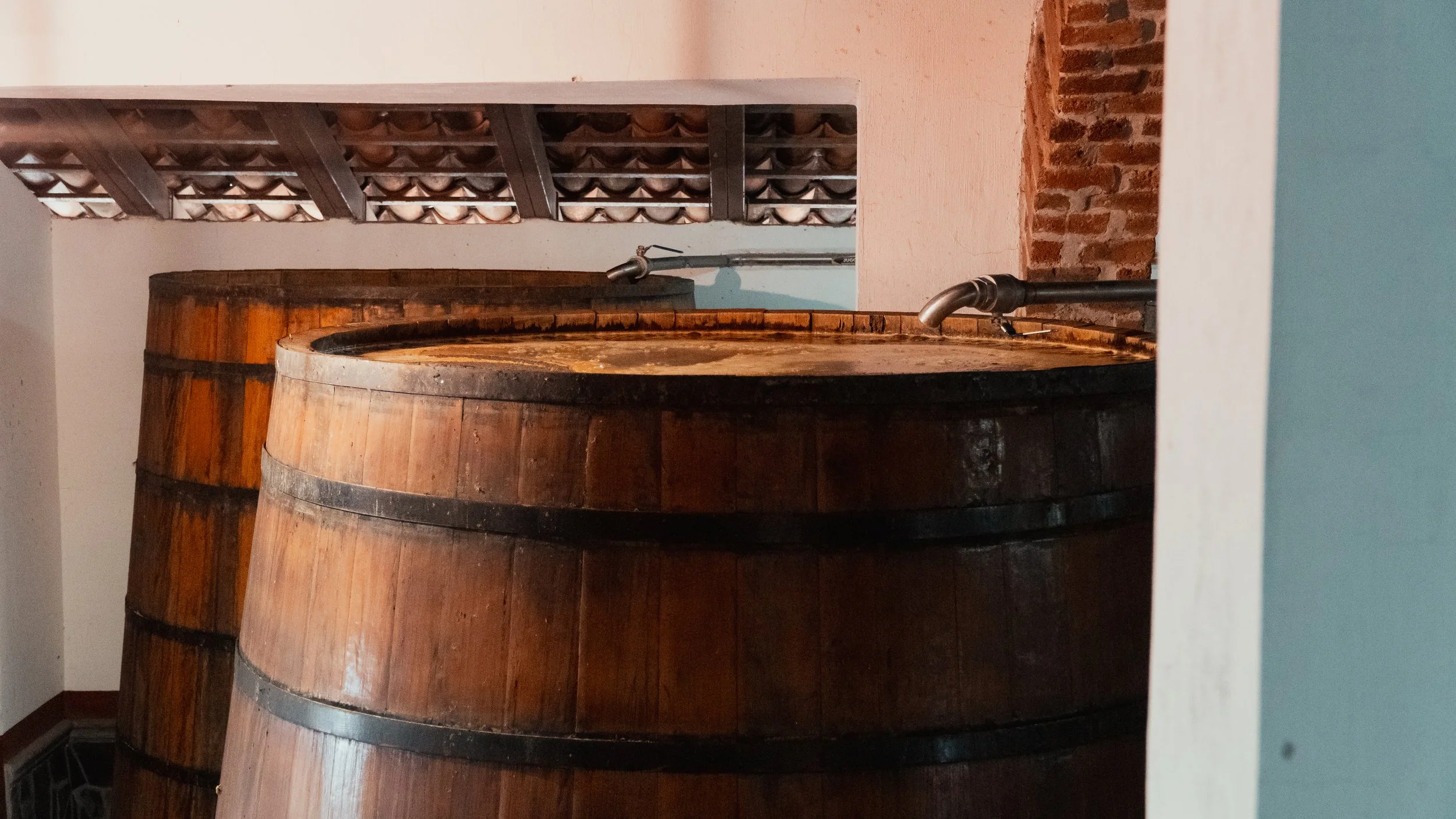
The extracted juice is fermented before distillation, fermentation is one of the stages where tequila develops many of the compounds that contribute to its eventual aroma and flavor. Producers can differ in their fermentation vessels, yeast management, fermentation times, and other practices.
Distillation
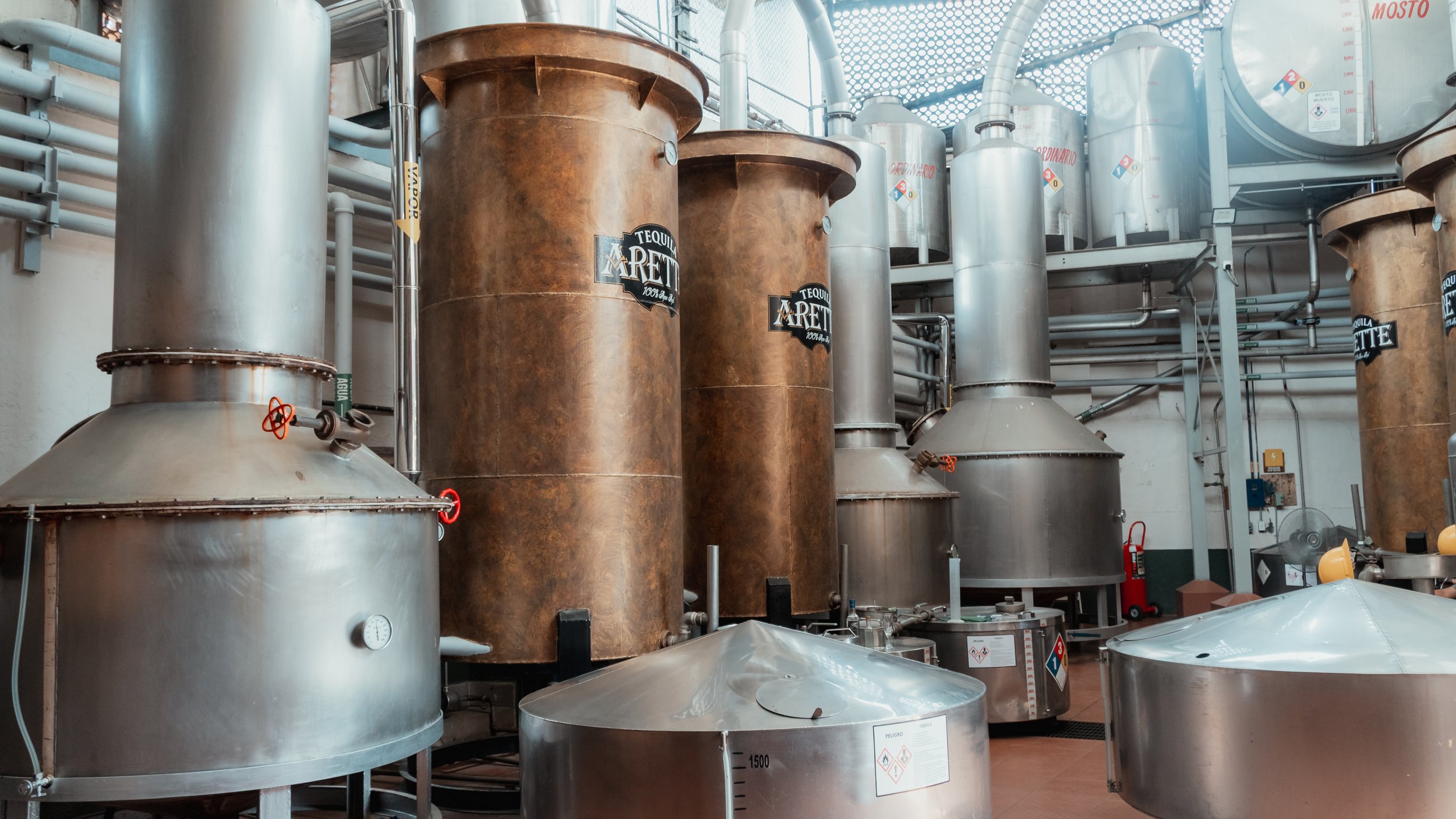
The fermented liquid is then distilled, still design and distillation practices have a major influence on the character of the final spirit. Copper pot stills, for example, are part of the production story at some tequila producers, while others use different distillation technologies. Again, there isn't one universal tequila-making method.
Maturation
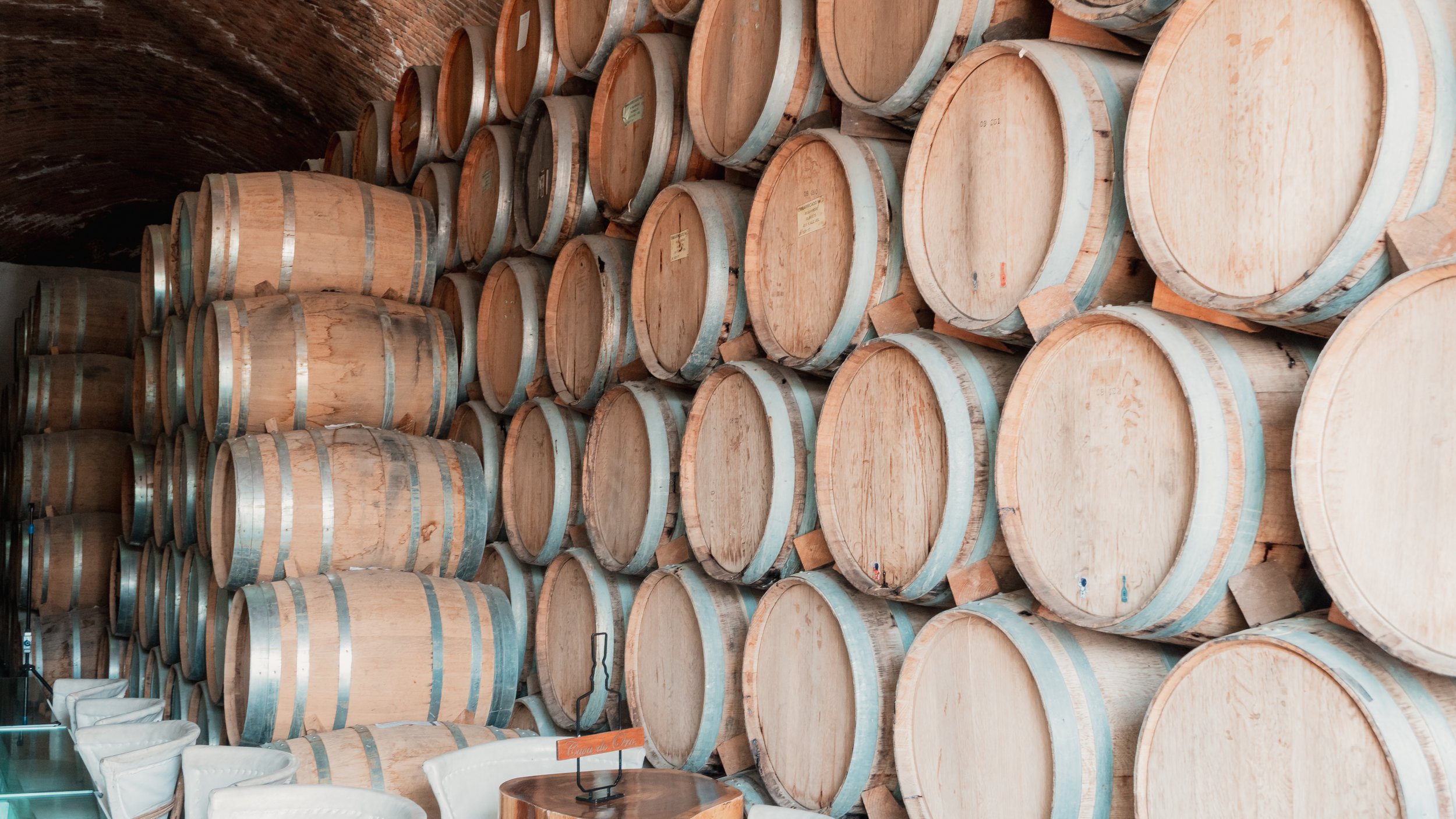
Blanco tequila generally goes to bottling with little or no aging, while reposado and añejo tequilas spend time maturing according to the requirements of their respective categories. Wood can contribute color, aroma, flavor, and texture during maturation. That means a tequila's final character is the result of many decisions—not one magic ingredient.
How Can You Tell If a Tequila Is Additive-Free?
This is where consumers often want a simple answer.
Unfortunately, there isn't always a simple visual test.
A bottle saying “100% agave” isn't enough to establish that it is additive-free.
Likewise, a tequila being:
very sweet
very smooth
very dark
very oily
extremely vanilla-forward
doesn't prove that additives were used.
Instead, look at the producer's transparency.
1. Understand the terminology
Know what “100% agave,” “blanco,” “reposado,” and “añejo” actually mean.
Don't assume one designation tells you everything.
2. Research the producer
Look for information about how the tequila is made.
Does the producer explain where the agave comes from?
How is it cooked?
How is it extracted?
How long is fermentation?
What type of still is used?
How is the tequila aged?
Transparency about production is useful regardless of whether you're specifically looking for additive-free tequila.
3. Look for credible verification
There are third-party programs and industry organizations that have developed their own approaches to evaluating additive-free claims, these should not be confused with the official Mexican regulatory certification system. For consumers, the important lesson is to understand who is making the claim and what evidence or methodology supports it.
4. Don't treat tasting as laboratory analysis
Your palate can tell you a lot about tequila it cannot necessarily tell you exactly what was or wasn't added taste for flavor and enjoyment first. Use research and credible information to answer production questions.
Is Additive-Free Tequila Automatically Better?
No and this is one of the places where tequila conversations can become unnecessarily absolute “better” depends on what you're looking for.
If you value:
A more transparent production philosophy
Minimal modification after distillation
Distinctive agave character
Traditional production methods
A particular sensory profile
Then you may strongly prefer additive-free tequila another drinker may prefer a different style. The important thing is to know what you're drinking and why it tastes the way it does that's a much more useful approach than dividing tequila into “good” and “bad” based on a single characteristic.
Common Additive-Free Tequila Misconceptions
“100% agave means additive-free.”
Not necessarily 100% agave describes the source of the fermentable sugars. It does not automatically establish that no permitted additives were used.
“If tequila contains additives, it's not real tequila.”
Incorrect tequila containing permitted additives can still comply with Mexico's tequila regulations.
“Additive-free is an official tequila category.”
It isn't one of the official tequila categories established by NOM-006, it's a term used by consumers and industry participants to describe a particular production characteristic.
“Dark tequila must contain caramel coloring.”
Not necessarily, reposado and añejo tequilas can naturally acquire color from maturation in wood.
“Smooth tequila must contain glycerin.”
Not necessarily, smoothness and mouthfeel can result from many aspects of production and maturation.
“Additive-free tequila is healthier.”
There isn't a sound basis for making that claim. Additive-free is better discussed in terms of production, transparency, flavor, and personal preference—not as a health designation.
What Should You Look For When Buying Tequila?
If you're standing in front of a wall of tequila bottles, don't let marketing terminology do all the work.
Start with a few basic questions:
Is it 100% agave?
That's useful information about the raw material and fermentation sugars.
What do I know about the producer?
A producer willing to explain its process gives you more context for what's in your glass.
How was the tequila produced?
Look for information about cooking, extraction, fermentation, distillation, and maturation.
Is an additive-free claim independently supported?
If that matters to you, investigate who makes the claim and what verification stands behind it.
What style do I actually enjoy?
This may be the most important question. Tequila isn't a competition to find the bottle with the fewest buzzwords, it's a spirit with enormous variation in flavor and production philosophy, learn what you like, then learn why you like it.
The Agave Adventures Perspective: Taste Tequila Where It's Made

There's only so much you can understand about tequila from a bottle label. Spend a day in Jalisco, however, and the production process starts to become much more tangible. You can stand in an agave field and see what the raw material actually looks like. You can meet a jimador and understand that harvesting agave is a skilled agricultural practice—not simply a step on an industrial checklist. You can see cooked agave before it becomes tequila. You can watch how different producers approach extraction and fermentation. You can see a tahona, brick oven, or still in operation and begin to understand why those production decisions matter. And then you can taste. That last part matters.
Tasting several tequilas side by side after seeing how they're made gives you a different framework for understanding flavor. Instead of simply thinking, “I like this one more,” you can start asking:
What am I tasting?
Where might that character come from?
What production choices contributed to it?
What does this producer do differently?
That's one of the reasons we believe tequila tourism should be more than a distillery photo opportunity.
The goal is to understand the spirit behind the bottle—and the people, agricultural landscape, and production decisions that shape it.
If you'd like to experience that side of tequila country for yourself, Agave Adventures creates private and customized tequila experiences in Jalisco designed around the producers, places, and interests of each group.
Explore our private tequila tours, custom tequila experiences, tequila day trips, and overnight experiences to see how tequila is made and taste it with a little more context.
Frequently asked questions
-
Additive-free tequila generally refers to tequila made without permitted additives such as caramel coloring, glycerin, natural oak or encino extract, and sugar-based syrup. “Additive-free” is not itself an official tequila category under NOM-006.
-
Not necessarily.
100% agave tells you that the fermentable sugars used to make the tequila come from agave. It does not automatically establish that permitted additives were not used.
-
NOM-006 permits certain substances to be used in tequila, including caramel coloring, natural oak or encino extract, glycerin, and sugar-based syrup under the conditions established by the standard.
-
The fact that a tequila is blanco does not, by itself, establish that it is additive-free. Additive use and tequila maturation category are separate questions.
-
Not objectively.
Some drinkers prefer additive-free tequila because of its production philosophy or flavor profile. Others may prefer different styles. “Better” ultimately depends on what you're looking for in a tequila.
-
A flavor characteristic such as sweetness, smoothness, color, or viscosity isn't reliable proof by itself. Researching the producer and looking for credible information or verification is a better approach.
-
Many factors can influence tequila's sensory profile, including agave, cooking, fermentation, distillation, maturation, blending, and potentially permitted additions. A sweet or smooth flavor alone doesn't identify the cause.
-
This is a question worth researching on a product-by-product basis because claims and verification can change. Rather than assuming a brand is additive-free based solely on its reputation, check the producer's current information and the methodology behind any third-party claim.